
Psychological safety is one of the strongest indicators of performance. But it’s often misunderstood as being “nice,” avoiding accountability, or lowering standards. In reality, it creates the conditions for open dialogue, healthy disagreement, and continuous learning.
For organizations focused on performance, innovation, and retention, fostering psychological safety is critical. Teams with higher levels of psychological safety are more likely to share ideas, raise concerns, and adapt quickly when things change. In contrast, low psychological safety can lead to disengagement, silence, and a reluctance to ask questions.
This article explores what psychological safety really means, why it matters for high-performing teams, and how HR leaders and managers can foster it intentionally.
What Is Psychological Safety?
Defined by Harvard Business School professor Amy C. Edmondson, psychological safety is “a belief that one will not be punished or humiliated for speaking up with ideas, questions, concerns, or mistakes, and that the team is safe for interpersonal risk-taking.”
In practice, this means work teams trust and respect each other. As Karen Liebenguth, professional leadership coach and founder of Parcival, explained, employees feel able, and even obligated, to be candid. “This is because they feel included, safe to learn, safe to contribute, and safe to challenge the status quo — all without fear of being embarrassed, marginalized, or punished in some way,” said Liebenguth.
When people know they can speak openly without damaging their reputation or relationships, they’re more likely to contribute fully. And that sense of trust doesn’t just improve day-to-day collaboration and decision-making, it lays the groundwork for stronger performance at every level.
How Psychological Safety Drives High Performance
Google’s Project Aristotle was a landmark study beginning in 2012 that helped bring psychological safety into mainstream workplace discussions. The aim was to identify the critical factors that create high-performing teams. The top predictor? Psychological safety.
More recent research reinforces this finding. A 2025 study published in The Journal of Business and Psychology confirmed that while psychological safety is critical for high performance, it’s not a fixed condition. It needs to be actively maintained through team dynamics and processes that foster connection, clarity, support, and performance.
Dr. Lauren Mahoney, a psychologist, Licensed Behavior Analyst, and adjunct assistant professor at City University of New York, explained that in practice, psychological safety affects performance because it changes the speed and quality of information flow. “High-performing teams do not succeed because they avoid error. They succeed because people surface concerns, near misses, and weak signals early enough to adjust,” she said.
She added that, in turn, this improves execution, innovation, and retention, because employees tend to stay longer in work environments where they feel respected, heard, and able to recover from missteps.
Dr. Kirsti Samuels, CEO of KS Insight and Adjunct Professor at Columbia University, explained that teams do their best thinking when fear gets named. “When people can tell the truth early, the team solves small problems while they are still small,” she said. With less fear, employees can focus on collaboration and learning, which means they also develop the resilience to adapt under pressure and sustain performance over time.
In contrast, in a team without psychological safety, Samuels added that “information moves upward in sanitized form, decisions get made on bad data, and the people closest to the work quietly disengage because they can see what is coming and have no way to raise it.” Samuels explained that in these cases, the retention cost is almost always lagging. “By the time someone leaves, they stopped speaking up six months earlier.”
To avoid the negative impacts of low psychological safety on engagement, performance, and retention, HR and managers need to recognize the signs. Knowing what psychological safety looks like, or its absence, is the first step towards building it at the team and organizational level.
Signs of High vs. Low Psychological Safety
Psychological safety is easiest to identify through everyday behaviors, including how teams communicate, manage conflict, and respond to setbacks. Here are some key signs you might see in teams with high versus low psychological safety.
Signs of High Psychological Safety
“In teams with psychological safety, people can be themselves, challenge constructively, and speak up about opportunities and risks,” said Andrew McNeill, a leadership consultant, author, and co-founder of LxLeaders, a coaching and training consultancy. These conditions create space for constructive challenge and honest dialogue. “Psychologically safe teams don't have a parapet,” added McNeill, meaning people don’t need to protect themselves before speaking up.
That openness also shows up as healthy conflict. “They can disagree with one another, listen to and consider divergent perspectives, and come up with the best solution or decision,” said Minette Norman, an author, leadership consultant, and advisor on psychological safety and inclusion. She added that another key sign of psychological safety is that people talk openly about mistakes and failures as part of a learning culture. In short, people contribute fully because they trust their opinions will be heard and valued, not punished.
Signs of Low Psychological Safety
Low psychological safety is often revealed in quieter ways. “It looks like silence in meetings, delayed bad news, surface-level alignment, and reluctance to ask questions,” said Dr. Ryan C. Warner, psychologist and founder of RC Warner Consulting. But he cautioned that it’s not always obvious. “In many teams, it can look like high agreement on the surface — people nodding along, quick consensus, and very little pushback.”
Warner added that this “too smooth” alignment is often a signal in itself. “It can reflect an underlying lack of safety to disagree, challenge thinking, or introduce friction, even when it would improve outcomes.”
Another sign to watch out for is that one voice will normally dominate, said McNeill. “Others in the team will be reticent to put their heads above the parapet for fear of being put down, ridiculed, or face career consequences.”
Norman agreed, explaining that low psychological safety can be seen as false harmony and groupthink, because it’s easier to agree with the group than it is to share a new idea. Once HR teams and managers know how to recognize these signs, it’s time to measure them over time.
How to Track Psychological Safety
Because psychological safety is often shaped by unspoken dynamics, HR teams and leaders also need intentional ways to track it, including:
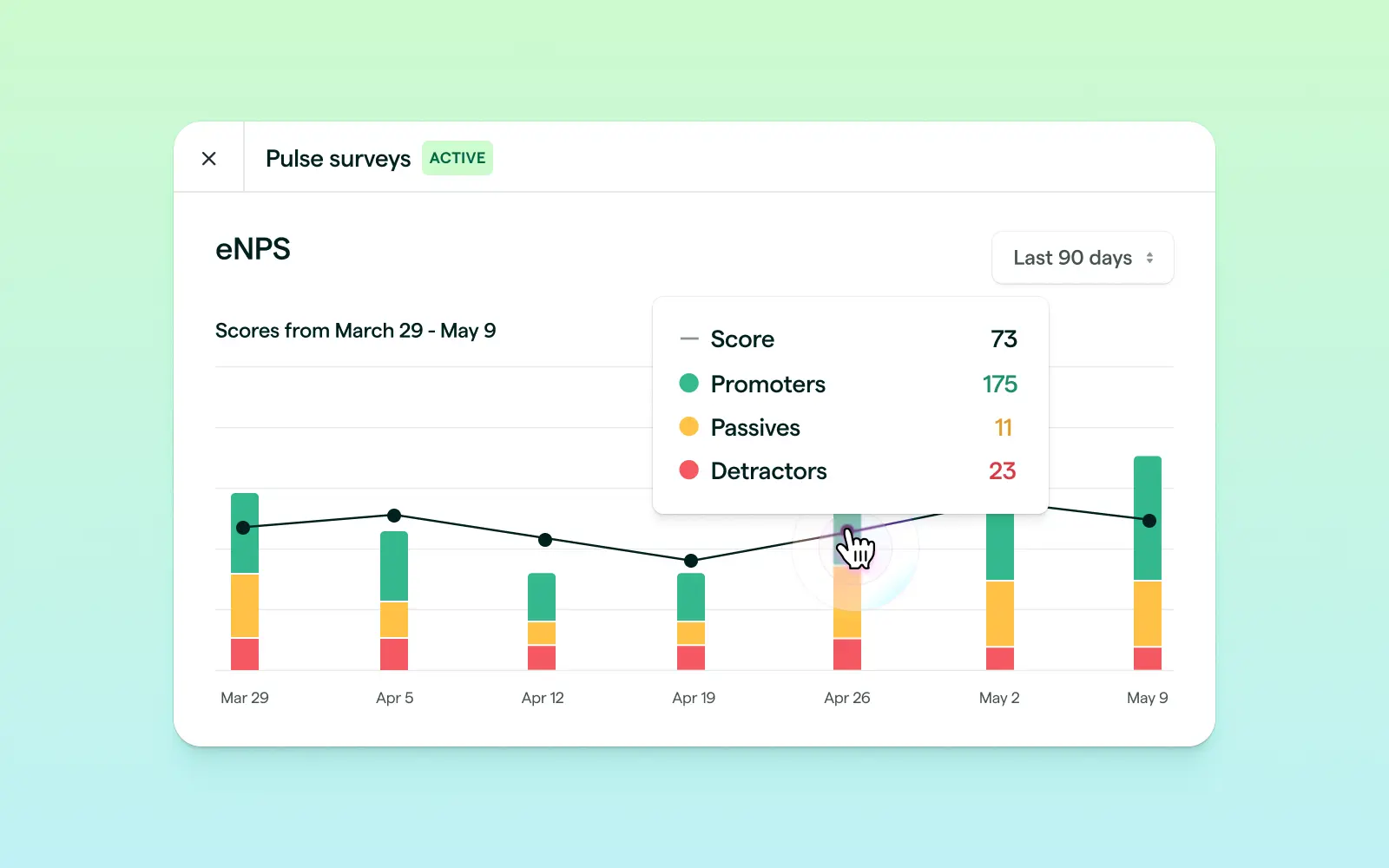
- Pulse surveys: To track whether employees feel safe bringing up tough issues, making mistakes, asking for help, or taking risks.
- Feedback mechanisms: One-on-ones and peer-to-peer feedback create opportunities for employees to speak candidly.
But a word of caution — surveys alone aren’t the answer. Warner noted that behavior matters too. “How often people speak up, how early risks are escalated, and whether participation is balanced across the team. The key is not just measuring it, but visibly acting on what you learn so trust builds over time,” he said.
He recommended taking a complete approach: “Alongside survey data, organizations should look at real operational indicators like escalation patterns, meeting participation distribution, and how quickly issues surface versus how late they appear. You can also track whether concerns raised actually lead to visible action or change, because psychological safety breaks down quickly when feedback goes into a “black box.’”
{{rich-highlight-2}}
The Role of Managers in Creating Psychological Safety
Managers play a defining role in creating psychological safety for their teams. “They shape what feels safe in everyday moments,” explained Warner. “Their reactions to mistakes, pushback, uncertainty, or bad news signal very quickly whether people should speak up again — or stay quiet next time,” he added.
For leaders looking to foster psychological safety, the most effective strategies are often rooted in consistent, visible habits. Here are some expert-backed strategies to get you started.
Begin team meetings with intention.
The tone of a team meeting is often set within the first few minutes. That’s why Liebenguth recommended building four powerful habits into the start of each team meeting:
- Include a check-in round, and genuinely ask and listen to each person: How are you doing?
- Normalize and address emotions and lead by example. Show your vulnerability with your team. It will give permission to others to share their emotions and how they really are.
- Integrate diverse views and ideas by equal turn-taking, inviting all voices and perspectives.
- Make time to reflect together on the quality of the team’s collaboration and be open to feedback and changes.
Recognize that safety starts with you.
Psychological safety begins with leadership self-awareness. As Samuels put it: “The manager is the system.” She added that if a manager “gets defensive when challenged, reaches for past mistakes as judgment failures, or conflates disagreement with disloyalty, the team learns within a week to withhold information.”
Samuels acknowledged this discipline is simple to describe but hard to sustain. She recommended that managers regulate themselves, so others don't have to regulate themselves around you. “That means managing your defensiveness when challenged, separating performance reviews from disagreement, and responding proportionately under pressure.”
Creating this kind of safety also means being the first to demonstrate it. “The most powerful person in the room has to put chips on the table before anyone else will — real vulnerability, said plainly. Something like: ‘Here is where I got this wrong, here is what I am still unsure about, here is what I am asking us to figure out together,’” said Samuels.
Build trust and safety through everyday behavior.
Formal policies matter, but psychological safety is shaped far more by the daily behavior of managers, explained Warner. “The way a manager responds in real time matters more than what the company says on paper. If people are met with curiosity instead of blame when they raise issues, they learn it’s safe to be honest. If they’re shut down, corrected harshly, or ignored, they adapt by withholding information.”
Over time, these repeated, everyday actions define whether honesty and openness to problem-solving become part of the team and organizational culture, or whether silence does.
Respond well to bad news.
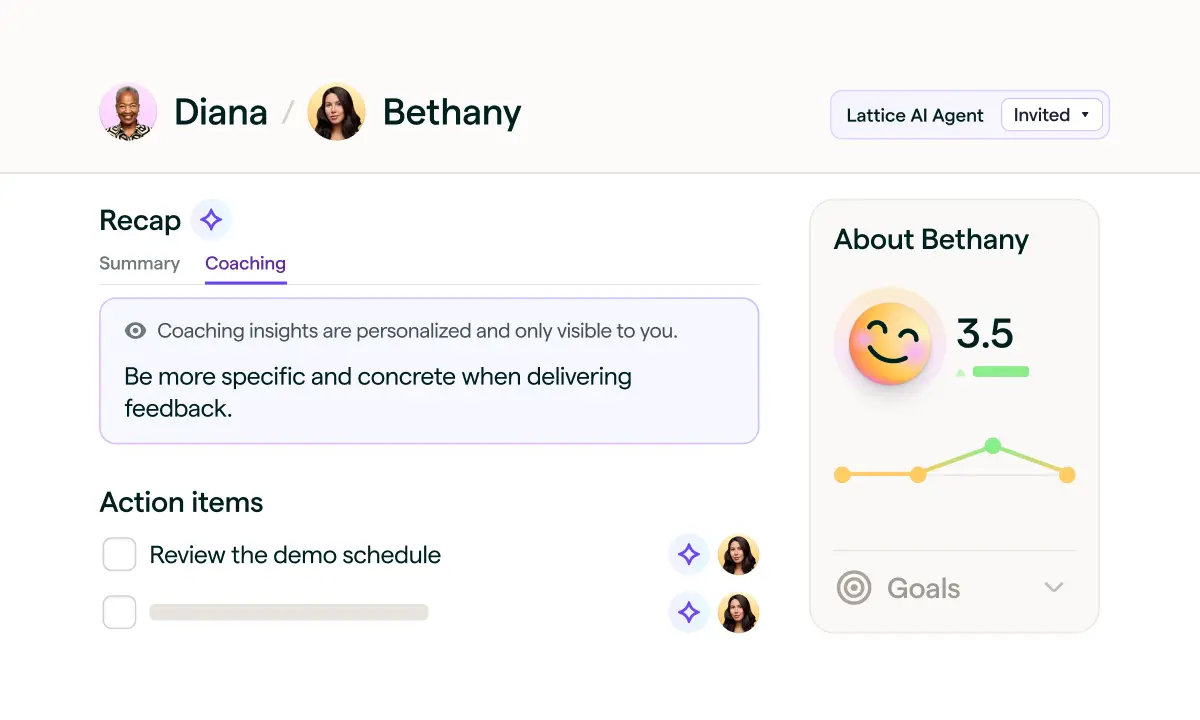
A manager’s response to bad news can strengthen trust, or erode it in an instant. “If a manager punishes the messenger, the team will hide the message next time,” said Mahoney. This makes constructive responses a necessity.
To foster a feeling of safety, ask questions that lower defensiveness. Mahoney suggested asking things like “What am I missing?” or “What concerns do you have that no one has raised yet?” These kinds of prompts signal openness and make it easier for team members to share information.
Just as important is modeling fallibility without collapsing authority, said Mahoney. “A strong manager can say, “I may be wrong here,” or “I handled that poorly,” without losing credibility. In fact, those moments often increase trust because they reduce the cost of honesty for everyone else,” explained Mahoney.
Create space for others to speak.
One of the simplest ways to foster psychological safety is also one of the most overlooked: speak less.
McNeill explained that it’s important for managers to create the space for others to speak. “The team will listen to you, because you're their boss. But they will listen to you more closely if they know you are listening to them,” he said. “Not everyone wants to, or can speak up in a group, but that person's idea could potentially double the size of your business. If you apply a one-size-fits-all attitude, you could miss it and that will be your loss more than theirs.”
Leaders who create multiple opportunities for everyone to contribute across meetings, one-on-ones, and written channels, make it easier for every employee to share their opinions in a way that works for them.
Common Pitfalls to Avoid
As a manager, knowing how to create a psychologically safe environment is crucial. But so is knowing what not to do. Here are some common pitfalls, as seen by experts, plus how to avoid them.
Don’t let safety replace standards.
Samuels said that one of the most common misconceptions is that psychological safety means everyone's opinions matter equally, or that hard feedback gets softened away. “That is conflict avoidance dressed up in safety language,” she explained.
Psychological safety isn’t about avoiding accountability. Samuels noted that safety without standards creates comfortable mediocrity, and standards without safety creates compliant silence. For true psychological safety, teams need both safety and standards.
Don’t confuse safety with being nice.
Sometimes, workplace conflict is inevitable. And high-performing teams know that feeling psychologically safe doesn’t mean always being nice, or avoiding conflict. “High-performing teams often have more direct challenges, not less — it’s just handled safely,” said Warner.
Don’t rely on value statements alone.
Psychological safety isn’t built through posters, mission statements, or survey responses. Mahoney mentioned that the reason managers play such a central role is because this kind of safety relies on their microresponses to risk.
“Every time an employee says something uncertain, incomplete, or uncomfortable, the manager teaches the team what happens when someone takes an interpersonal risk,” Mahoney said. “If the response is dismissive, rushed, or subtly punitive, the team learns to narrow what they share. If the response is curious, respectful, and clear, the team learns that candor is useful.” It's these everyday moments that shape how a team really feels, especially when under pressure.
How HR Leaders Can Build Psychological Safety at Scale
Managers play a crucial role in shaping psychological safety, but they don’t operate in isolation. “Policies, procedures, and organizational practices can either reinforce or undermine what managers are trying to do,” explained Warner.
That means HR leaders also need to consider how company values, leadership expectations, strategic initiatives, and internal processes all impact psychological safety. “If performance systems penalize mistake-sharing or only reward flawless execution, people will hesitate to speak up even if their manager encourages it. On the other hand, practices like blameless postmortems, structured feedback loops, and recognition of constructive challenge help make openness the norm,” said Warner.
To build psychological safety at scale, HR teams should focus on four key areas:
- Embedding it into company values and leadership expectations
- Training managers on coaching, feedback, and inclusive leadership
- Using engagement surveys and pulse checks to measure safety
- Aligning performance management with learning and growth (not just outcomes)
It’s also important to follow through on all those surveys by acting on the results. As Megan Rees, licensed therapist, coach, and founder at Megan Rees Coaching & Consulting noted, many organizations are effective at collecting feedback through surveys, 360 feedback, and town halls.
“Where they consistently fall short is the ‘We heard you and here's what we're doing about it’ part. Feedback without follow-through doesn't build safety, it erodes it. If managers are expected to share development plans with their direct reports, the C-suite should share theirs with the whole company. That's not just modeling vulnerability. It's modeling accountability,” she explained.
Creating the systems that support that kind of accountability might feel like a lot. But Lattice has got HR teams covered.
{{rich-highlight-1}}
How Lattice Supports Psychological Safety and High Performance
With tools designed to support feedback, manager development, and active listening, Lattice helps organizations build psychologically safe workplaces and high-performing teams:
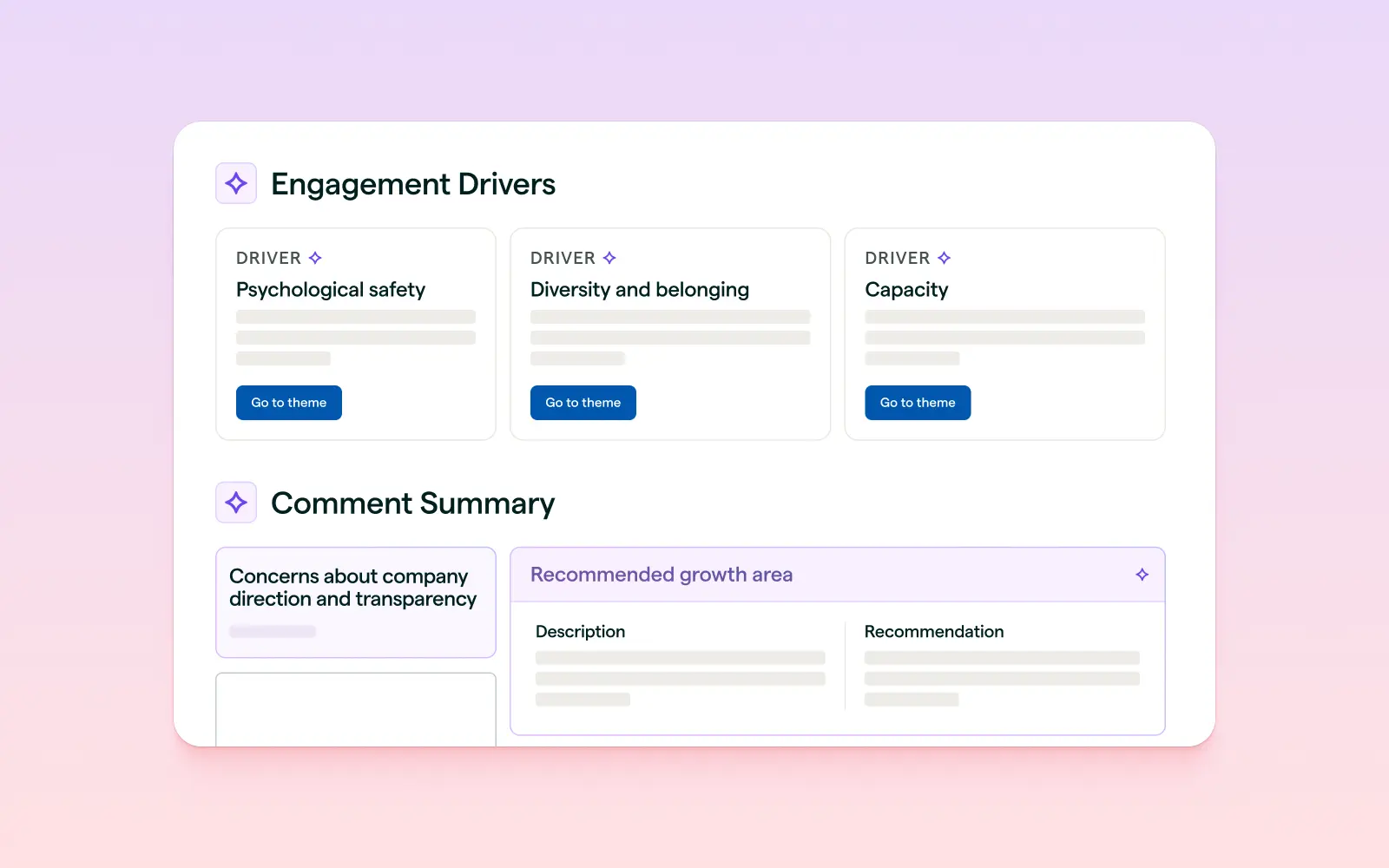
- Lattice Engagement: Measure psychological safety and track trends over time with pulse surveys and AI summaries of open-ended comments.
- Lattice Performance: Encourage continuous feedback and growth-oriented conversations that strengthen trust with customizable reviews.
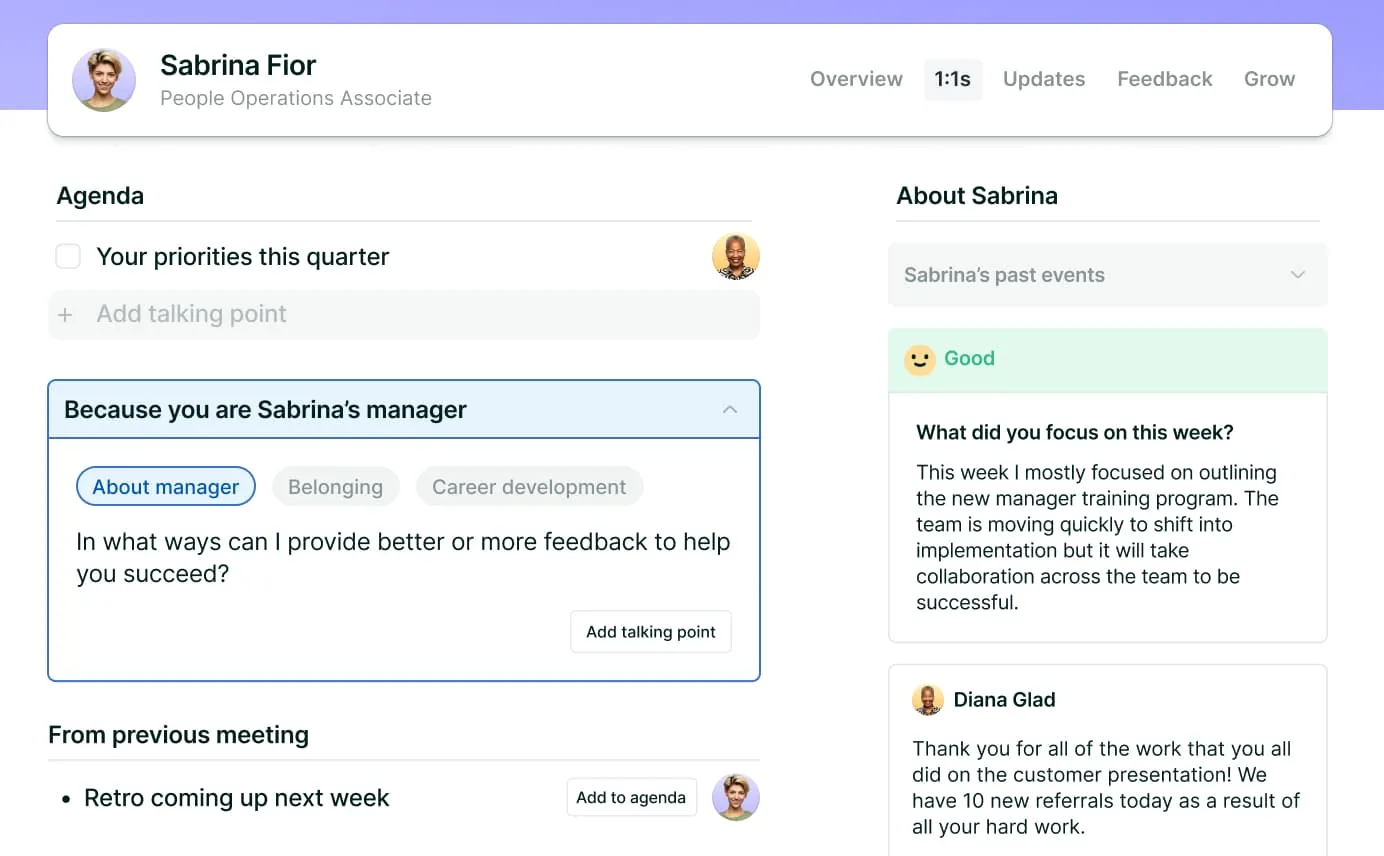
- Lattice 1:1s: Create a safe, structured space for open dialogue between managers and their teams.
- Lattice Grow: Support development conversations that reinforce learning and trust among employees.
- Lattice AI: Proactively identify risks and recommend actions before issues escalate.
Together, these tools help organizations create the conditions where employees feel heard, supported, and empowered to perform their best. To learn what that looks like in practice, book a free demo today.
The Best of Both Worlds
For more strategies, download our free workbook: HR's Guide to Balancing Performance and Wellbeing.
Discover which managers need more training.
Our Manager Effectiveness Survey Template helps HR teams measure psychological safety at the manager level.